Amenities

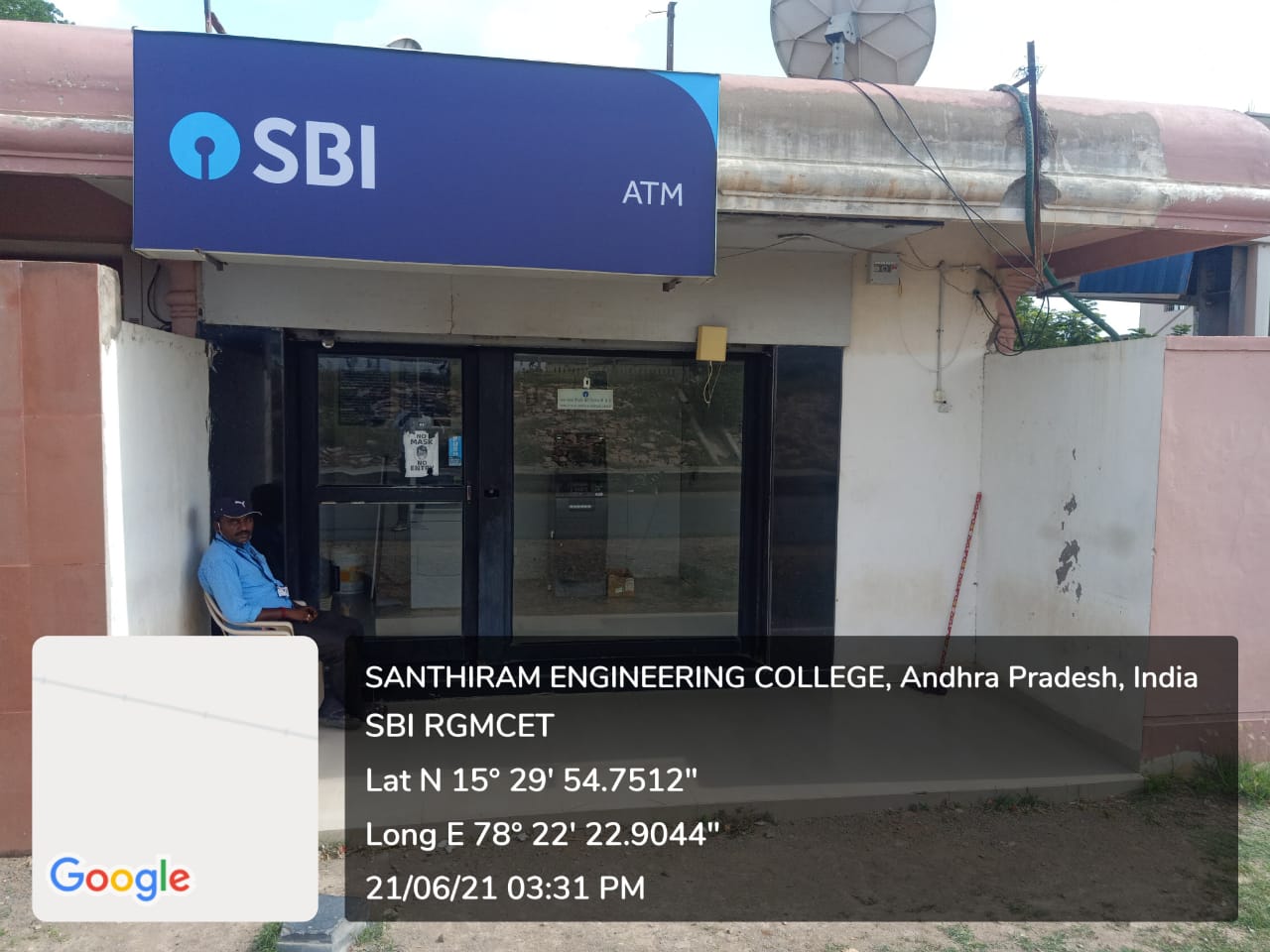
Bank ATM PO

We have State Bank of India Extension Branch in our Campus. This helps all our Students and Faculty to have safer and faster banking transaction uninterruptedly and ideally. We have ATM facility within the campus running active 24X7. The post office is too an additional facility added in our campus for comfortable transmit of letters and any necessary documents as well as money orders. Bank, ATM and Post office serve the students and staff of the college as an important customer and provide a quicker service.
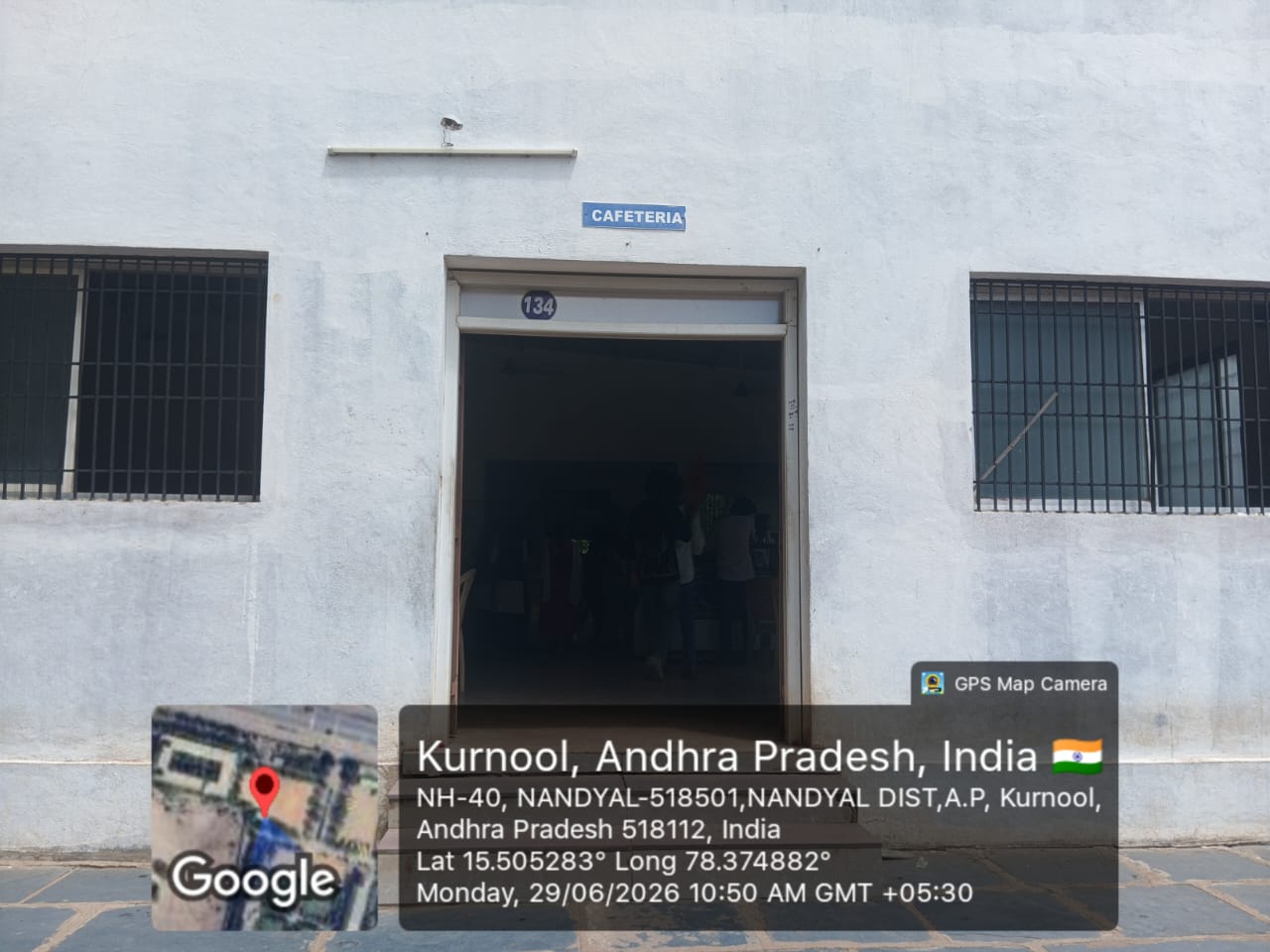
Cafeteria

The cafeteria at SREC makes available of all kinds of food items such as regional Tiffin’s & meals, fast foods and Chinese items with reasonable prices. This facility makes staff, students and visitors comfortable to have breakfast, lunch or snacks with no efforts of going far away from the college. As the college is situated far away from town and in an isolated and peaceful environment the canteen at SREC gives homely atmosphere at very affordable prices.
Divyangjan Facility

Santhiram Engineering College has taken the following measures to provide the accessible and barrier free environment for disabled persons.
  1. Accessible Buildings: Ramps are provided to easily access the classrooms and laboratories.
  2. Rest Rooms: Rest rooms with disabled friendly toilets are provided.
  3. Signage: Proper signs and symbols are displayed in the campus to communicate a message.
  4. Assistive Technology: Screen reading software and accessible website are provided.
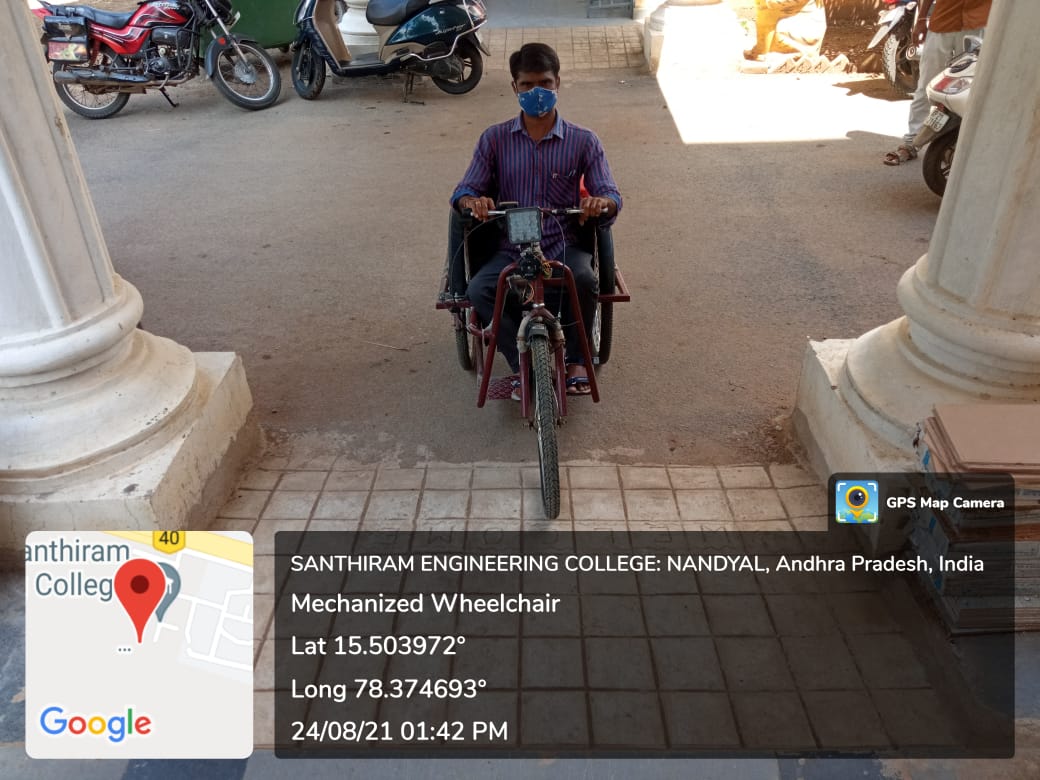
  5. Mechanized Equipment: Wheelchair and battery powered vehicle are provided for physical movement in the campus.
  6. Scribe: As per the norms of university the institution provides scribes for examinations.
  7. Human assistance: One gent and one lady are appointed to assist the disabled persons inside the campus.
  8. E-Learning: Softcopy of all subjects and other useful information is available in library. And teachers also provide reading material in softcopy.

Gender Specific Facility

  1. Safety and Security:
    • 24 X 7 CCTV surveillance of the entire campus which includes main gate entrance and blocks entrance, corridors, classrooms, library, office rooms, laboratories, and also hostel blocks, dining halls. Separate server space is allocated for back-up of CCTV camera recording.
    • Gate pass register is maintained at the main gate entrances of academic buildings and hostels to prevent entering of unknown persons in the campus.
    • FIRST-AID box and fire extinguisher are provided in every floor of the college building and laboratories.
    • Display of important phone numbers like principal, HODs, nearby police station, ambulance, fire station at prominent places which includes principal office notice boards, notice board at each department, AO office.
    • Do’s and Don’ts are displayed in each laboratory and students are briefed on safety precautions to prevent any incidence of accidents.
    • Regularly awareness programs on safety and security, self defense techniques are organized in association with SHAKTHI (AP-Women Police Team) team.
  2. Counselling:

    Mentors regularly counsel their mentees to know their strengths and weaknesses and gives moral support. On demand the Institute invites Psychiatrists/ Doctors to counsel the students with personal or health problems.

  3. Common rooms:

    The Institute facilitates common rooms for girls in the campus with required furniture. Students can utilize common room for study with their friends during the break hours.

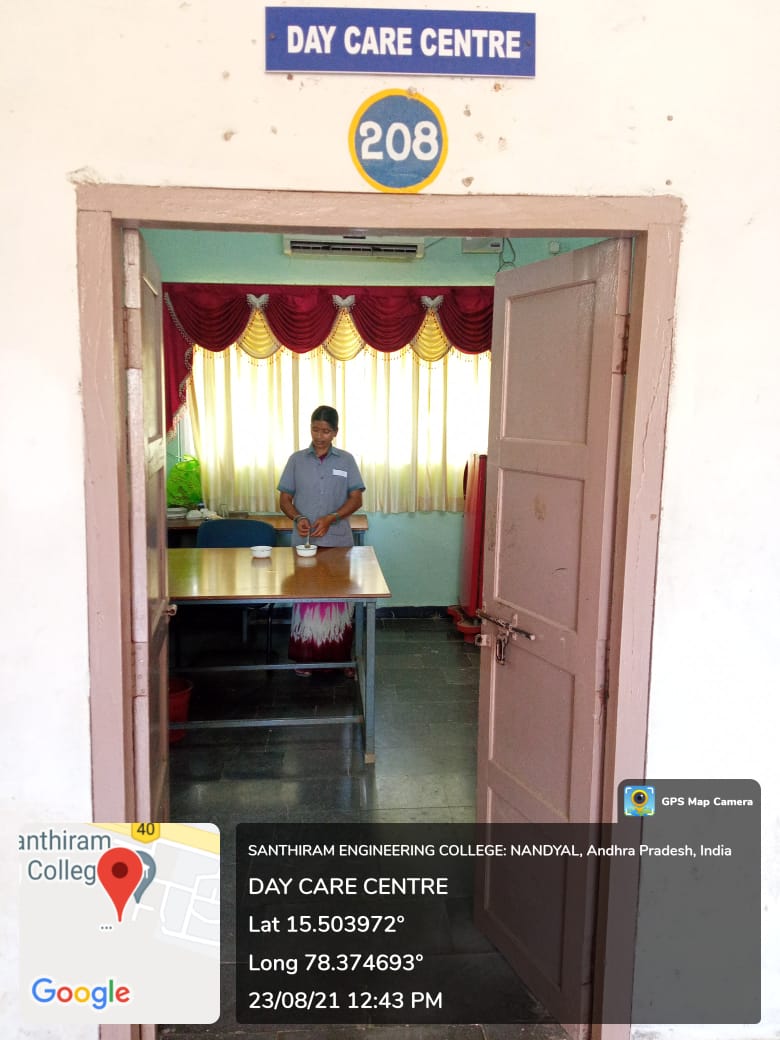
  4. Day Care Centre:

    Institution has established a day care centre in the campus to take care of young children of lady faculty during working hours. So that the work productivity of lady faculty can be improved.
  5. Annual gender sensitization action plan includes the following:
    • A program on Entrepreneurial Ideas.
    • A program on Personality Development.
    • International Women's Day Celebrations.
    • A program on Digital Banking and Cash Transactions for Women.
    • A program on Self-Defence and Physical Fitness.
    • A program on the Legal Rights of Women.
    • A program for Youth on Social Media and Its Effects.
    • A program on Fitness and Hygiene for Women.
    • Financial Awareness and Investment Decision for Women.
    • A program on Women's Safety and Cybercrimes.
    • A program on Women's Safety and Self-Defence.
    • A Rally on "Stop Violence Against Women".
    • A program on Health Issues and Precautionary Measures for Women.

GENERATOR

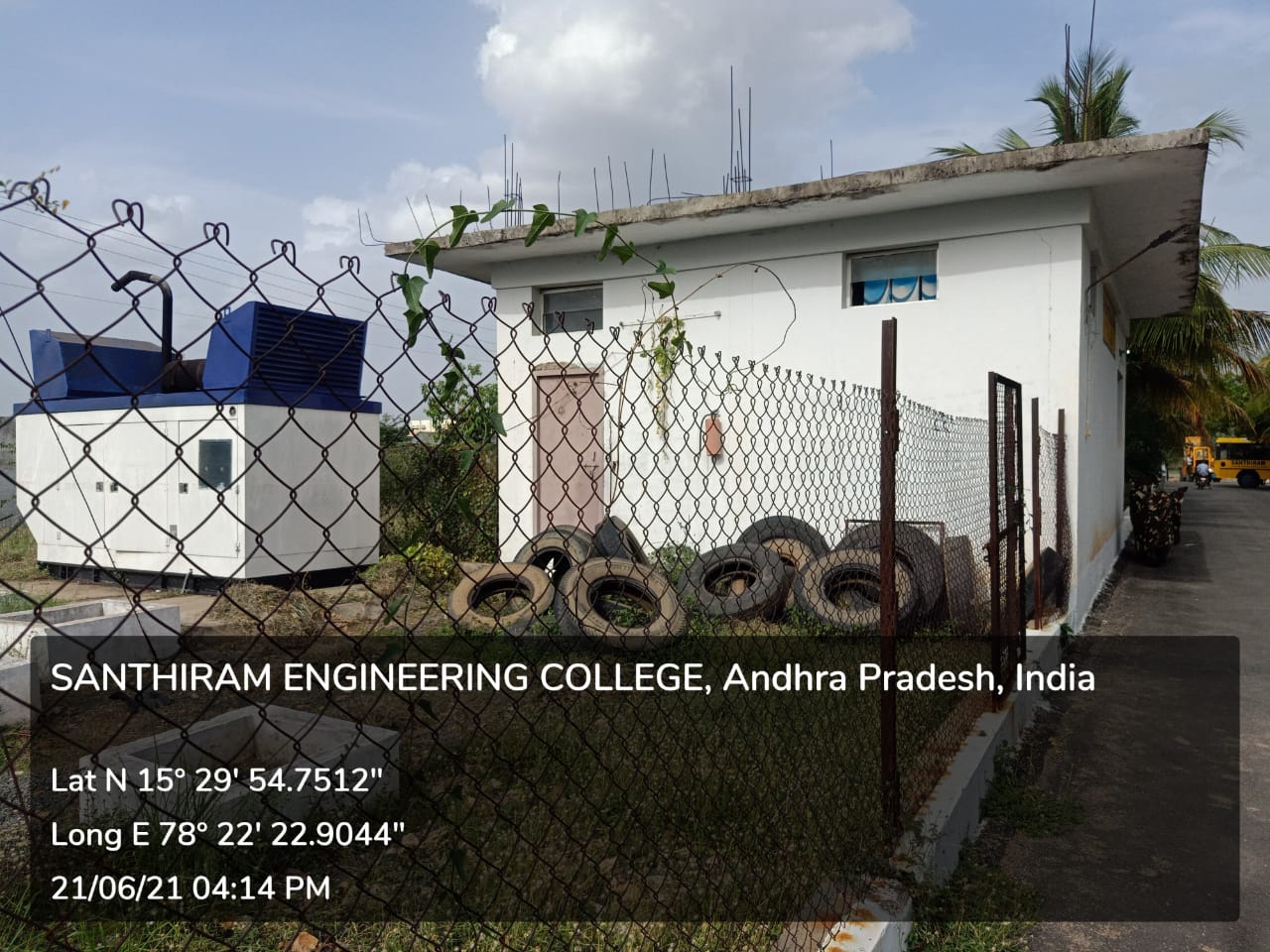
A 160 kVA diesel generator is installed within the campus to provide an uninterrupted power supply to classes and laboratories.
A high configuration transformer (250 kVA) supplies High Tension power to the entire college.
Generator Details
Company: KERLOSKER
Run on: Diesel
Capacity: 160 kVA with O2E Technology
GREEN CAMPUS

GREEN CAMPUS INITIATIVES:

  • Digital Library.
  • Using reusable vessels instead of use-and-throw plates and glasses.
  • Digital Bills.
  • Circulars and messages are shared through soft copies via email and mobile applications.
  • Restricted entry of automobiles.
  • Landscaping with trees and plants.
  • Use of LED bulbs for energy-efficient lighting.
  • Installation of smoke alarms.
  • Encouraging the use of bicycles on campus.
  • NSS (National Service Scheme) activities.

GREEN CAMPUS INITIATIVES:

Health and Fitness
Health and Fitness

Full-time Medical Officers are available on the campus to provide immediate medical care to students in case of any illness or emergency.

Medical Facilities
  • Medical facilities are available throughout the year with free medicines provided to sick students.
  • A well-equipped Medical Laboratory is available to handle emergency situations.
Fitness Centre
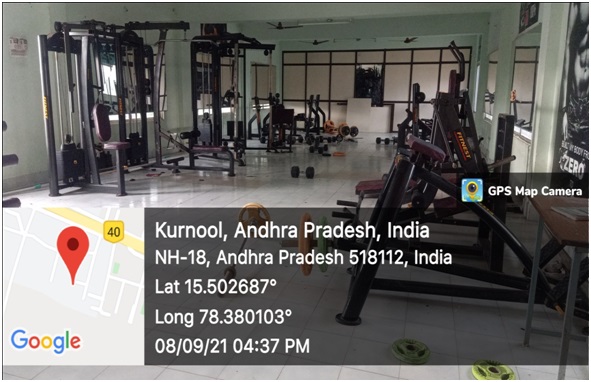
  • Hostels are equipped with modern Gym and Fitness Centres, including treadmills, exercise bikes, and other advanced fitness equipment.
  • A Central Gym for men is equipped with body-building equipment.
  • All gyms and fitness centres remain open during both morning and evening hours.
  • Yoga classes are conducted regularly to promote a healthy body and a healthy mind.
Internet Wi-Fi
Internet & Wi-Fi Facility

The world today is becoming smart and digital. Smartphones, Android applications, and technical gadgets have become an integral part of students' daily lives. To support academic learning, research, and access to the latest technological developments, SREC provides free high-speed internet connectivity to all students and staff across the campus.

Internet access is provided through both LAN and Wi-Fi networks. All computer laboratories are connected through a Local Area Network (LAN), while campus-wide Wi-Fi enables students to connect their laptops and mobile devices for project work, online learning, research activities, and documentation.
Internet Features
  • Free internet access for all students and staff.
  • LAN connectivity available in all computer laboratories.
  • Campus-wide Wi-Fi connectivity for laptops and smart devices.
  • Supports online learning, project documentation, research, and technical development.
  • 300 Mbps dedicated high-speed internet bandwidth.
  • Uninterrupted internet service provided through KRP.
Mineral Water Facility
RO Mineral Water Facility

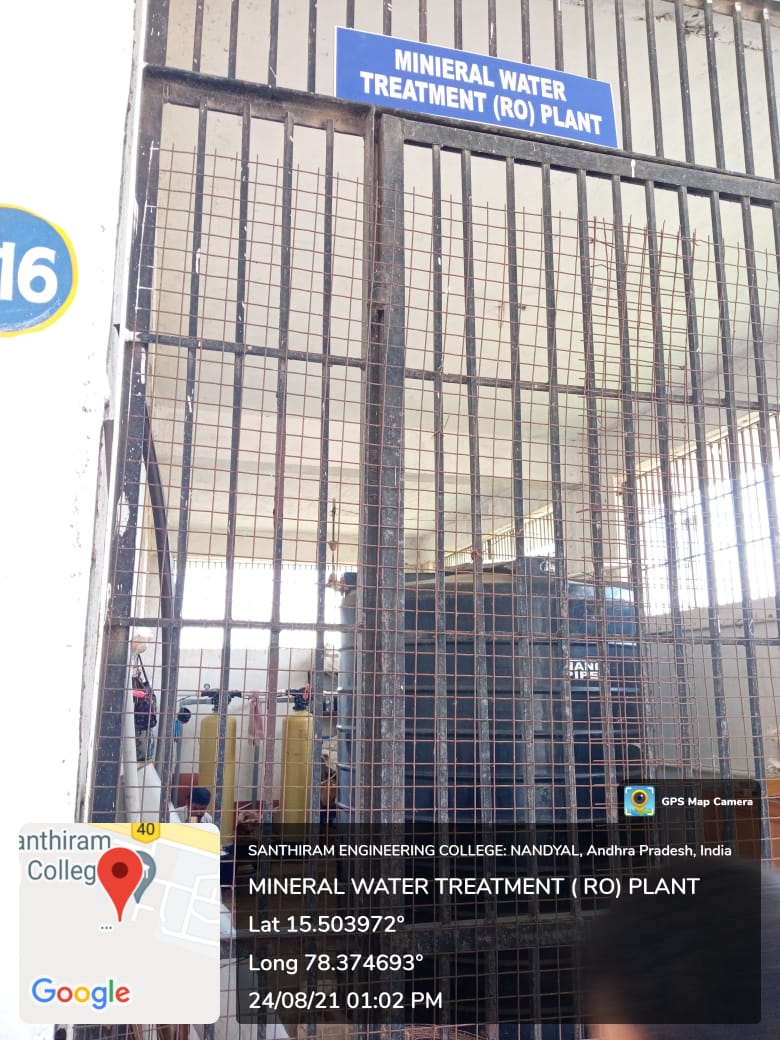
A modern Reverse Osmosis (RO) Water Purification Plant has been installed at Santhiram Engineering College to cater to the drinking water requirements of students, faculty, supporting staff, and visitors. The plant treats raw water having a Total Dissolved Solids (TDS) level of 750–1000 ppm and reduces it to less than 100 ppm, ensuring safe, pure, and hygienic drinking water.

The purification process is carried out in three stages:
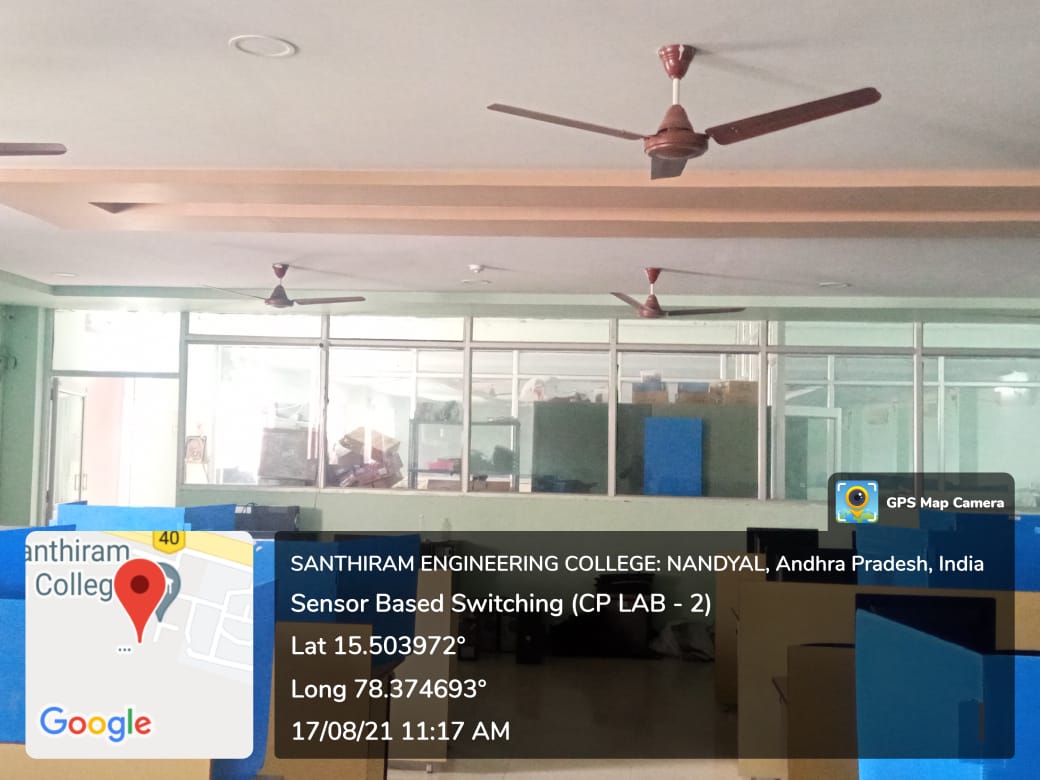
  • Pre-treatment of raw water.
  • Purification through 6 RO membrane filters operating in parallel.
  • Post-treatment to ensure safe and potable drinking water.
Plant Features
  • Maximum plant capacity: 1500 litres per hour (250 litres per membrane).
  • Utilized production capacity: 1000 litres of potable water per hour.
  • Provides pure, tasty, and hygienic drinking water suitable for human consumption.
  • Rejected water is effectively reused for gardening and washing purposes.
  • Ensures continuous supply of safe drinking water throughout the campus.
  • Six water coolers are connected to the RO plant, supplying drinking water on every floor of classroom blocks, administrative block, library, laboratories, and other campus locations.
Renewable Energy Conservation

Santhiram Engineering College is committed to sustainable development and energy conservation. The institution follows the ISO 50001 Energy Management System (EnMS) to continuously improve energy performance, reduce energy consumption, minimize energy costs, and lower greenhouse gas emissions across the campus.

Energy Conservation Initiatives
  • The institute follows the ISO 50001 Energy Management System (EnMS) for effective energy management.
  • Continuous efforts are made to reduce energy consumption, operational costs, and greenhouse gas emissions.
  • A 2 kW Solar Photovoltaic (PV) System has been installed to power campus street lighting.
  • A 10,000-litre Solar Water Heating System is installed in the hostel to provide hot water for students.
  • A Bio-gas Plant with a production capacity of 2 kg/day has been established near the college canteen to generate renewable energy from organic waste.
Student Store
Student Store

The Student Store at Santhiram Engineering College (SREC) is established to meet the day-to-day needs of students and staff. The store offers a wide range of essential items and is managed by dedicated permanent staff to ensure quality products and efficient service.
Facilities Available
  • Availability of all essential stationery items.
  • Academic materials and student essentials.
  • Snacks and refreshments for students and staff.
  • Daily-use items required on campus.
  • Managed by permanent staff for smooth and reliable service.
  • Ensures the availability of quality products based on the needs of students and staff.
Transportation
Transportation Facility

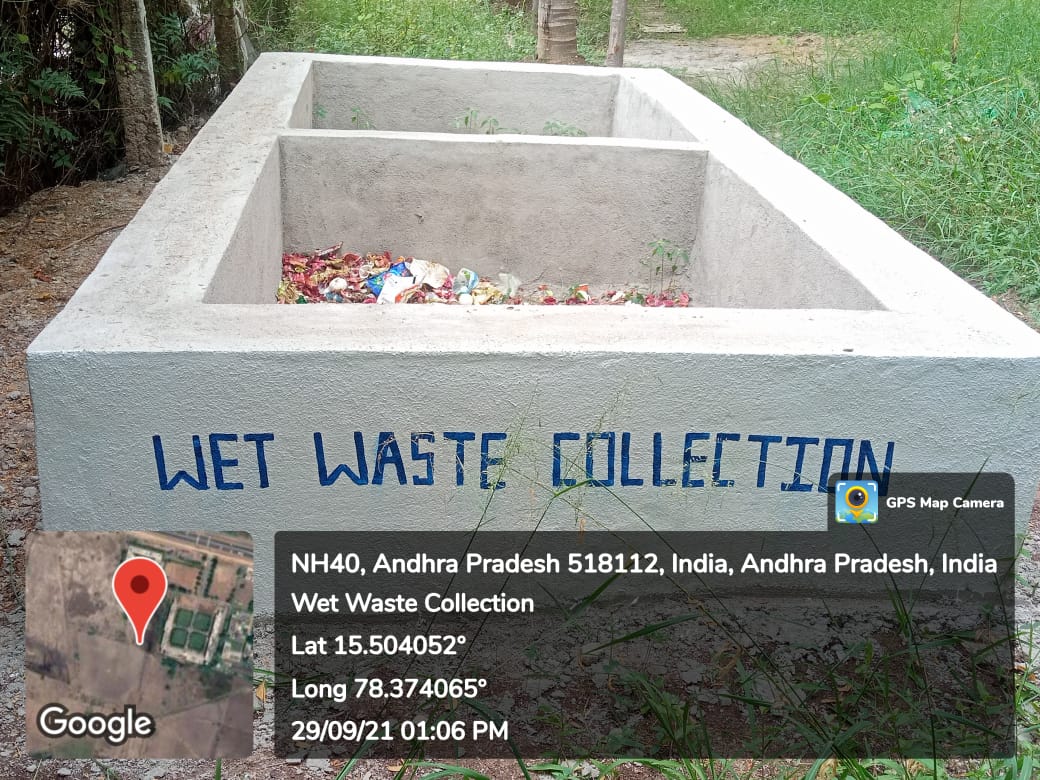
Santhiram Engineering College provides a well-organized transportation facility for students and faculty. The college operates a fleet of more than 14 buses covering various locations in Nandyal town, its surrounding suburbs, and Kurnool city, ensuring a safe, comfortable, and punctual commute to and from the campus.
Transportation Features
  • Fleet of 14+ college buses serving multiple routes.
  • Transportation available for both students and faculty members.
  • Bus services cover Nandyal town, nearby suburbs, and Kurnool city.
  • Facility available to non-residential students at a nominal transportation fee.
  • Ensures safe, reliable, and comfortable travel.
Bus Timings
  • All buses arrive on campus before 8:50 AM, enabling students and faculty to attend classes starting at 9:00 AM.
  • Regular buses depart from the campus at 5:15 PM.
  • Special buses are arranged daily between 6:30 PM and 7:00 PM for students attending special classes, using the library, internet facilities, fitness centre, and other academic activities.
Waste Management
Waste Management System

Santhiram Engineering College is committed to environmental sustainability through effective waste management practices. Inspired by the Government of India's Swachh Bharat Abhiyan and Clean & Green initiatives, the institution promotes plastic-free campus practices, waste segregation, recycling, water conservation, and responsible disposal of e-waste to create a clean and eco-friendly campus.

1. Solid Waste Management
  • Blue and green colour dustbins are placed across the campus for separate collection of dry and wet waste.
  • Cleaning staff collect waste regularly between 10:00 AM – 11:00 AM and after 5:00 PM every day.
  • Collected waste is segregated into degradable and non-degradable categories.
  • Plant leaves, tree twigs, and other biodegradable waste are sent to decomposition pits located behind the seminar hall.
  • Vegetable waste and leftover food from the canteen are utilized in the campus biogas plant.
  • Paper waste is collected and sent to authorized recycling vendors.
  • Plastic waste, laboratory glassware, workshop metal scrap, and other non-degradable waste are handed over to authorized recycling or disposal agencies.
2. Liquid Waste Management
  • The plumbing department regularly monitors water tanks, coolers, pipelines, and taps to prevent water leakage.
  • Liquid waste generated from washrooms, laboratories, and water coolers is collected through the Sewage Treatment System.
  • The campus RO plant has a purification capacity of 500 litres/hour.
  • Wastewater generated from the RO plant is collected in a separate storage tank and reused for gardening and landscaping purposes.
3. E-Waste Management
  • The institute has signed an MoU with Green Waves Environmental Solutions, Visakhapatnam for scientific disposal and recycling of electronic waste.
  • Obsolete electronic equipment is collected at a central storage facility and periodically handed over to the authorized recycling agency.
  • Minor repairs are carried out by laboratory assistants and faculty members, while major repairs are handled by technical staff.
  • Reusable computer components are utilized in IT laboratories for assembling and disassembling practical sessions.
4. Waste Recycling
  • Decomposition pits convert biodegradable waste into organic manure.
  • The compost produced is used for maintaining trees, lawns, and gardens across the campus.
  • Paper waste is processed into pulp and sent for recycling.
5. Fire Safety Measures
  • Fire extinguishers are installed at strategic locations throughout the campus.
  • Necessary fire safety equipment is maintained to ensure preparedness and minimize the risk of fire-related emergencies.
Water Conservation
Water Conservation Practices

Santhiram Engineering College is committed to the sustainable management of water resources by implementing various conservation and reuse practices across the campus. These initiatives promote efficient water utilization, groundwater recharge, and environmental sustainability.
Objectives
  • Optimize the use of natural water resources.
  • Increase the groundwater table.
  • Ensure efficient utilization of water throughout the campus.
  • Promote the reuse and recycling of wastewater.
1. Rainwater Harvesting
  • A rooftop rainwater harvesting system with a capacity of 1,500 litres has been established.
  • Harvested rainwater is utilized for gardening and campus cleaning purposes.
2. Soak Pits & Borewell Recharge
  • Soak pits have been constructed at various rooftop water outlets to enhance groundwater recharge.
  • Borewell recharge pits are provided to improve the groundwater level and increase borewell water availability.
3. Water Storage Tanks
  • Concrete and Sintex overhead water tanks are installed across the campus.
  • These tanks ensure proper storage and uninterrupted distribution of water to different campus locations.
4. Drip & Sprinkler Irrigation Systems
  • Drip irrigation systems are used for efficient watering of plants.
  • Sprinkler irrigation systems help conserve water while maintaining the campus gardens and landscaping.
5. Water Distribution Monitoring
  • The campus plumbing team regularly inspects taps, joints, flush systems, water tanks, and water coolers to detect and prevent leakages.
  • Low-flow faucets are installed to minimize water consumption.
  • Students are encouraged to close sink taps after use, especially in chemistry laboratories, to avoid unnecessary water wastage.
  • Water-saving practices are promoted across all academic and administrative departments.
up